
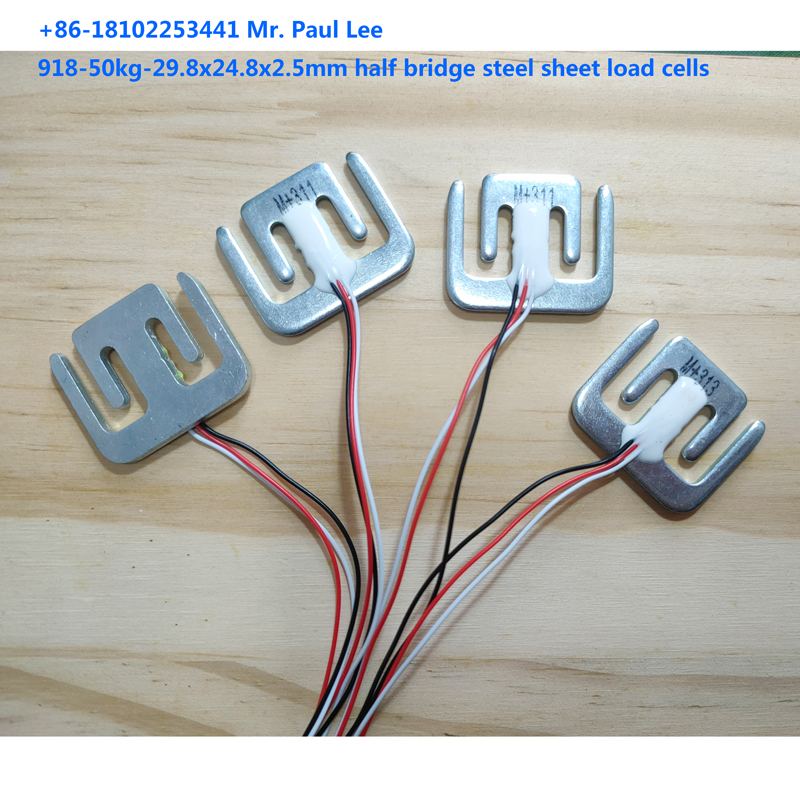
Load cells, also known as weight sensors, play a crucial role in various healthcare applications where precise measurement of weight or force is essential. Here are some specific areas where they come into play:
1. Patient Monitoring and Diagnosis:
- Weight tracking: Monitoring weight fluctuations in patients helps diagnose and manage conditions like obesity, malnutrition, and edema (fluid retention).
- Treatment planning: Accurate weight measurements are crucial for calculating medication dosages, particularly for children and critically ill patients.
- Surgical risk assessment: Knowing a patient’s weight is vital for assessing surgical risks and planning anesthesia.
2. Infant and Childcare:
- Growth monitoring: Regularly tracking weight gain in infants and children is essential for assessing their growth and development.
- Nutritional deficiencies: Load cells in specialized scales can help diagnose and manage nutritional deficiencies in children.
3. Medical Equipment Calibration and Safety:
- Ensuring accuracy: Load cells are used to calibrate and ensure the accuracy of medical equipment like infusion pumps, ventilators, and dialysis machines.
- Instrument testing: They play a role in testing the functionality and weight limitations of surgical instruments, wheelchairs, and other medical equipment.
4. Other Applications:
- Disability management: Load cells in specialized scales can help track weight changes for individuals with disabilities, aiding in rehabilitation programs.
- Sports medicine: Weight measurements are important for athletes, and load cells can be integrated into training equipment for monitoring performance and preventing injuries.
- Animal research: Accurate weight measurement of animals is crucial in medical research. Load cells can be used in specialized weighing platforms for this purpose.
Overall, load cells contribute significantly to improving healthcare by providing precise weight and force measurements, ultimately leading to better patient care and treatment outcomes.
Additional Points:
- In healthcare settings, load cells need to meet specific standards for accuracy and reliability.
- Regular calibration and maintenance are essential to ensure the continued accuracy of these sensors.