
Unveiling the Magic: Working Principle and Applications of Electronic Weighing Instruments
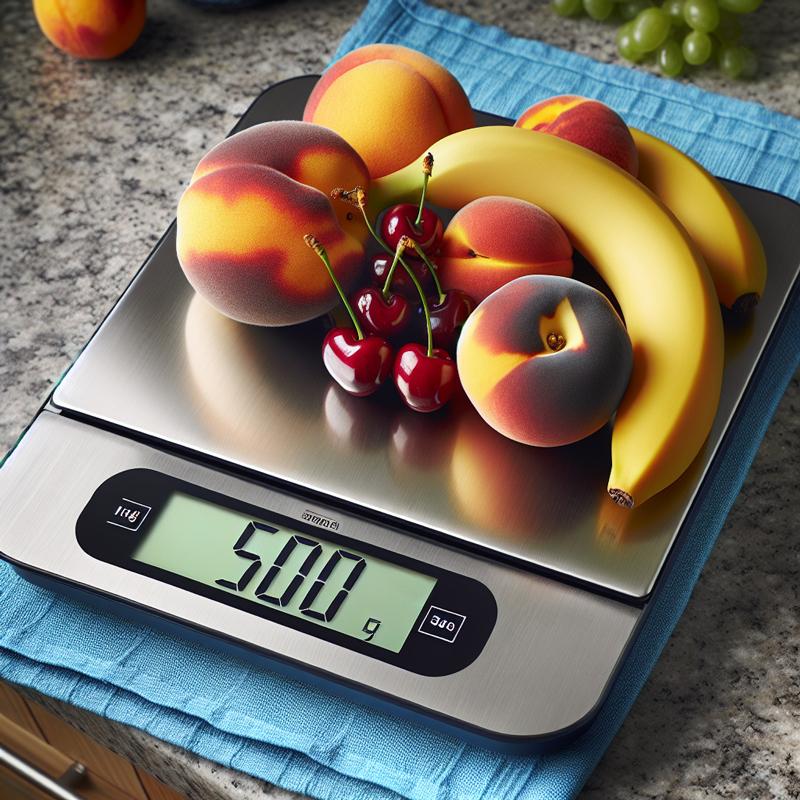
DALL·E 3, generator electronic scale image
Electronic weighing instruments have become ubiquitous in our daily lives, from the kitchen scale measuring our morning coffee to the industrial platform scale weighing truckloads of cargo. Unlike their mechanical counterparts, electronic scales rely on ingenious principles to convert weight into a digital readout. Let’s delve into the science behind these instruments and explore the vast array of applications they serve.
The Core of the Scale: The Load Cell
The heart of an electronic weighing instrument is the load cell. This seemingly simple component plays a crucial role in transforming weight into an electrical signal. There are two main types of load cells employed:
- Strain Gauge Load Cell: This workhorse of the industry utilizes the concept of strain gauges. These tiny metallic strips are bonded to a precisely designed beam within the load cell. When weight is applied to the platform, the beam deflects ever so slightly. This deflection causes the strain gauges to deform, leading to a change in their electrical resistance. This change in resistance is precisely measured and converted into a digital value proportional to the applied weight.
- Electromagnetic Force Compensation (EMFC): This high-precision technology employs a different approach. Here, a coil within the load cell generates a magnetic field. As weight is placed on the platform, a force is exerted on the coil. To counteract this force and maintain the platform at a constant level, the instrument applies an opposing electromagnetic force. The amount of current required to maintain this balance is directly proportional to the weight being measured.
The Power of Conversion: From Signal to Readout
The electrical signal generated by the load cell, whether from strain gauge resistance change or the current used in EMFC, needs to be translated into a meaningful weight value. This task falls upon the analog-to-digital converter (ADC). The ADC transforms the analog signal from the load cell into a digital format that the instrument’s microprocessor can understand.
The microprocessor is the brain of the electronic scale. It receives the digital weight data from the ADC, performs any necessary calculations (such as unit conversion), and displays the weight on a digital readout. Additionally, the microprocessor may control other features like tare weight (zeroing out the weight of a container) or data logging capabilities.
Beyond the Basics: Advanced Features
Modern electronic weighing instruments offer a plethora of features beyond basic weight measurement. Some examples include:
- Counting Mode: This allows for the accurate counting of large quantities of identical items by dividing the total weight by the weight of a single item.
- Percent Weighing: This feature is useful for measuring a specific percentage of a larger quantity.
- Checkweighing: This function helps ensure items meet pre-defined weight limits by providing visual or audible alerts.
- Data Connectivity: Many scales can connect to computers or networks, allowing for data recording, analysis, and integration with other systems.
A World of Applications: Where Electronic Scales Reign Supreme
The applications of electronic weighing instruments are as diverse as human ingenuity itself. Here’s a glimpse into some key sectors where they play a vital role:
- Retail: From supermarkets to jewelry stores, electronic scales ensure accurate product pricing and inventory control.
- Manufacturing: Precise weight measurement is crucial in production processes for quality control and material management.
- Logistics and Shipping: Accurate weight data is essential for efficient cargo handling, freight pricing, and customs compliance.
- Healthcare and Pharmaceuticals: Electronic scales are used for dispensing medication, monitoring patient weight, and measuring ingredients for compounding drugs.
- Science and Research: Highly specialized electronic balances are used for precise measurements in laboratories and research settings.
- Agriculture: Farmers rely on weighing instruments to measure seeds, fertilizers, and produce for efficient crop management.
The Future of Weighing: Innovation on the Horizon
The world of electronic weighing instruments continues to evolve. Here are some exciting trends to watch for:
- Smart Scales: Integration with internet-of-things (IoT) technology allows for data collection, remote monitoring, and even voice-activated control.
- Miniaturization and Portability: Advancements in technology are leading to smaller, more portable electronic scales for on-the-go weighing needs.
- Enhanced Connectivity: Integration with cloud platforms and mobile apps will further streamline data management and analysis.
In conclusion, electronic weighing instruments have revolutionized how we measure weight. From the fundamental principles of load cells to the ever-expanding range of applications, these devices play a vital role in ensuring accuracy, efficiency, and control across a vast spectrum of industries. As technology continues to advance, we can expect even smarter and more versatile weighing solutions to emerge in the future.